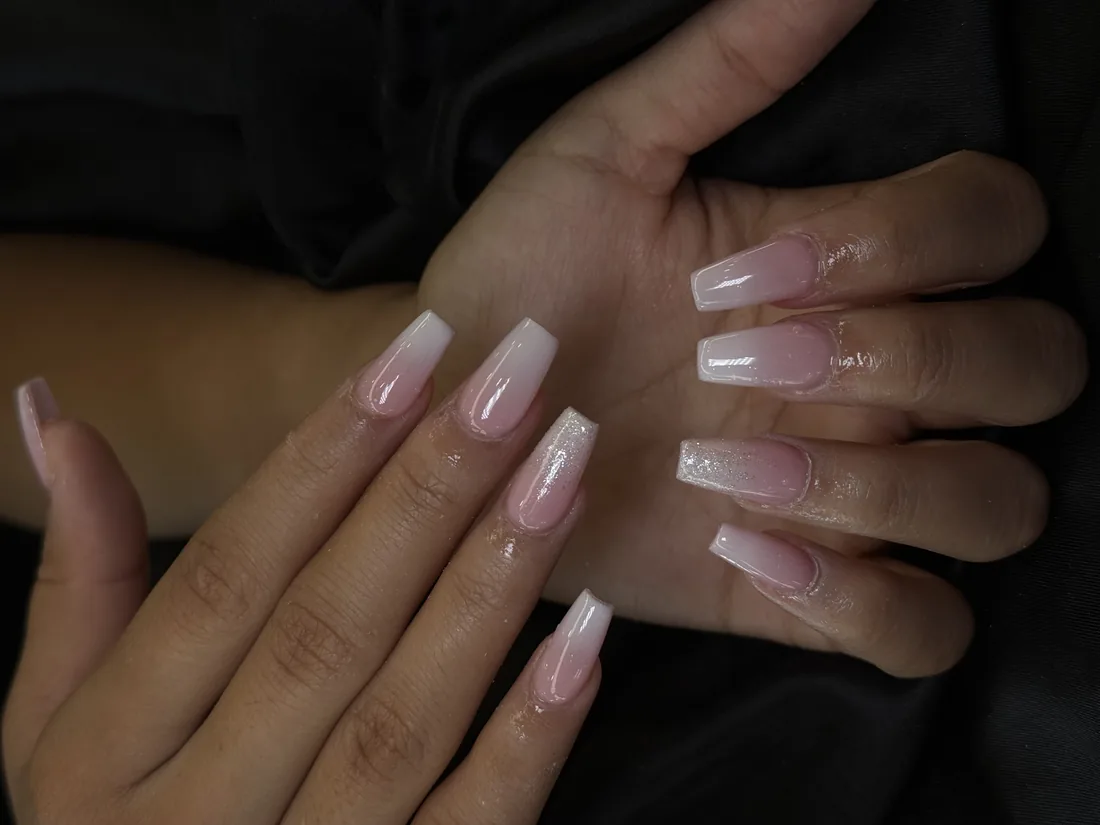
 Nude square · natural · from our gallery
In this post
A gel manicure is $40 here and it is meant to hold its shine for two to three weeks. So when an edge lifts at the cuticle on day three, something went wrong, and it is worth knowing what. Most of the time the answer is on our side of the table. Sometimes it is on yours. Either way, the fix is the same: come back, tell us where it lifted, and we repair it.
This post is only about why gel lets go early. Making a set last its full run is a separate question and gets its own post in the journal.
What lifting actually is
Gel grips a clean, dry, slightly roughened nail plate, then hardens under the lamp into a single shell. Lifting is that shell separating from the plate. It starts as a faint line at the cuticle or a sidewall, catches on hair or fabric, and from there it is a question of days.
Gel that lifts after three days failed at application. Gel that lifts after two and a half weeks is just grown out. Those are different problems, and only the first one is a repair.
Five causes on the technician's side
1. Prep and oils
This is the big one. Nail technician and educator Katie Masters, writing for Nail Thoughts, names improper prep as the first cause. Her point is that there are "so many invisible oils on our nails," from skincare, from the nail itself, from touching your hair, and they have to come off. Her advice to professionals is to cleanse the nail plate with alcohol before the cuticle work, because pushing and filing an unwashed nail spreads that oil around rather than removing it. A thin film of skin or oil under the base coat is a lift waiting to happen.
2. Product on the skin
Gel that touches the cuticle or the sidewall skin cures onto skin, not nail. Skin moves; the gel does not. Within a day or two it pulls away and takes the edge of the color with it. A tidy margin at the base is slower to paint, and it is why a good gel manicure looks like it was done a hair short of the cuticle.
3. Coats too thick
Gel is applied in thin layers for a reason. A thick coat pools at the cuticle, and a thick coat is also harder for the lamp to cure all the way through. Base, color and top each get their own cure, and each should be thin enough that the one before it is fully hard.
4. Under-curing
Masters' third reason is improper curing. With an LED lamp the nail needs to face the light, because "the light needs to hit the gel straight on to cure properly," and she has thumbs cured separately so they sit at the same angle as the other fingers. A hand tilted in the lamp leaves the base slightly soft. Soft gel lets go.
5. An uncapped free edge
Running each coat over the tip of the nail seals the end of the shell. Miss that and water works in at the free edge every time you wash your hands, and the peel starts at the tip instead of the cuticle. Chipping at the ends rather than lifting at the base is the tell.
Three causes on your side
Naturally oily or thin nails
Some nail plates carry more oil than others, and some are thin and flexible. Masters' second reason for lifting is the wrong base for the nail: "weak/bendy nails need a flexible base coat," because a rigid product on a nail that flexes will pop rather than bend with it. If your gel always lifts on the same two fingers no matter who does it, say so at the consultation.
Water in the first hours
The AAD's healthy-nail tips note that too much water exposure can weaken nails and cause them to split, peel or break. A nail that swells in a long bath or a sink of dishes and then shrinks back is moving under a shell that does not. Gloves for the wet jobs, especially on the first day, are cheap insurance.
Picking
Once an edge lifts, the temptation is to worry it with another nail. The AAD is direct about this on its gel manicure page: when the color begins to come off, do not pick at it or use other nails or tools to remove it; make an appointment to have it removed. A picked edge turns a repair into a removal. When a set does have to come off, we explain how to soak gel off safely.
What to say at your next appointment
You do not need to diagnose it. You need to describe it. A few sentences that help a technician more than you would expect:
- "It lifted at the cuticle on my index and middle fingers by day three." That points at prep or product on the skin, and at which hand was in the lamp at an angle.
- "It chipped at the tips first." That is the free edge, and we will cap every coat.
- "It always lifts on my thumbs." Thumbs sit differently in the lamp; we will cure them on their own.
- "My nails are thin and bend a lot." We can talk about a more flexible base, or about builder gel for structure.
- "I had my hands in water for an hour that evening." Not your fault, and good to know.
When to stop and see someone
Most lifting is a technique problem and nothing more. But gel that lifts again and again on nails that have also gone soft, ridged or discolored is a different thing. The AAD says that if your nails change, swell or cause pain, see a dermatologist, because those can be signs of serious nail problems. We are licensed nail technicians, not medical providers. We will tell you honestly when a nail needs a break or a doctor, and we will not cover up a nail that should be looked at.
What to ask for: if a set has lifted inside a week, book a repair and tell the desk which fingers. If you want a set built for a bendy nail, ask about builder gel at the consultation. And if you just want to understand what happened, ask your technician. We would rather explain it than have you guess.
Questions we get
Why do my gel nails lift at the cuticle?
Usually because something was between the gel and the nail at the base: dead cuticle skin, natural oil, or gel that touched the skin and cured onto it. Nail educator Katie Masters lists prep and invisible oils as the first reason gel lifts. Thick coats pooling at the cuticle and under-curing add to it.
Is lifting covered by Sora's repair policy?
Yes. If a set chips, lifts or breaks within 7 days, we repair it free. If you cannot come in, we hold the value on your account. Shape, length or color you do not love is corrected free before you leave the chair.
Can I fix lifted gel at home?
Not safely. Gluing or pressing the edge down traps water and skin under it, and picking it off takes nail with it. The AAD says not to pick at lifting gel and to make an appointment to have it removed. Come in for the repair.
Does builder gel lift less than regular gel?
It can on thin, flexible nails, because a flexible base on a bendy nail is what Masters recommends and builder gel adds structure over the natural nail. Prep, curing and capping still matter just as much. Your technician will tell you at the consultation whether your nails are a fit.

Written by the team at Sora Nail Bar, 4294 US Highway 98 North, Lakeland. We are licensed nail technicians, not medical providers — when something needs a dermatologist or podiatrist, we say so. About us.
Sources
- Gel manicures: tips for healthy nails — American Academy of Dermatology
- 3 important reasons your gel is lifting — Nail Thoughts (Katie Masters)
- Tips for healthy nails — American Academy of Dermatology
Ready to book? See Manicures · Gel X & Tap Gel · Nail Art & Design, or the full menu.
Keep reading
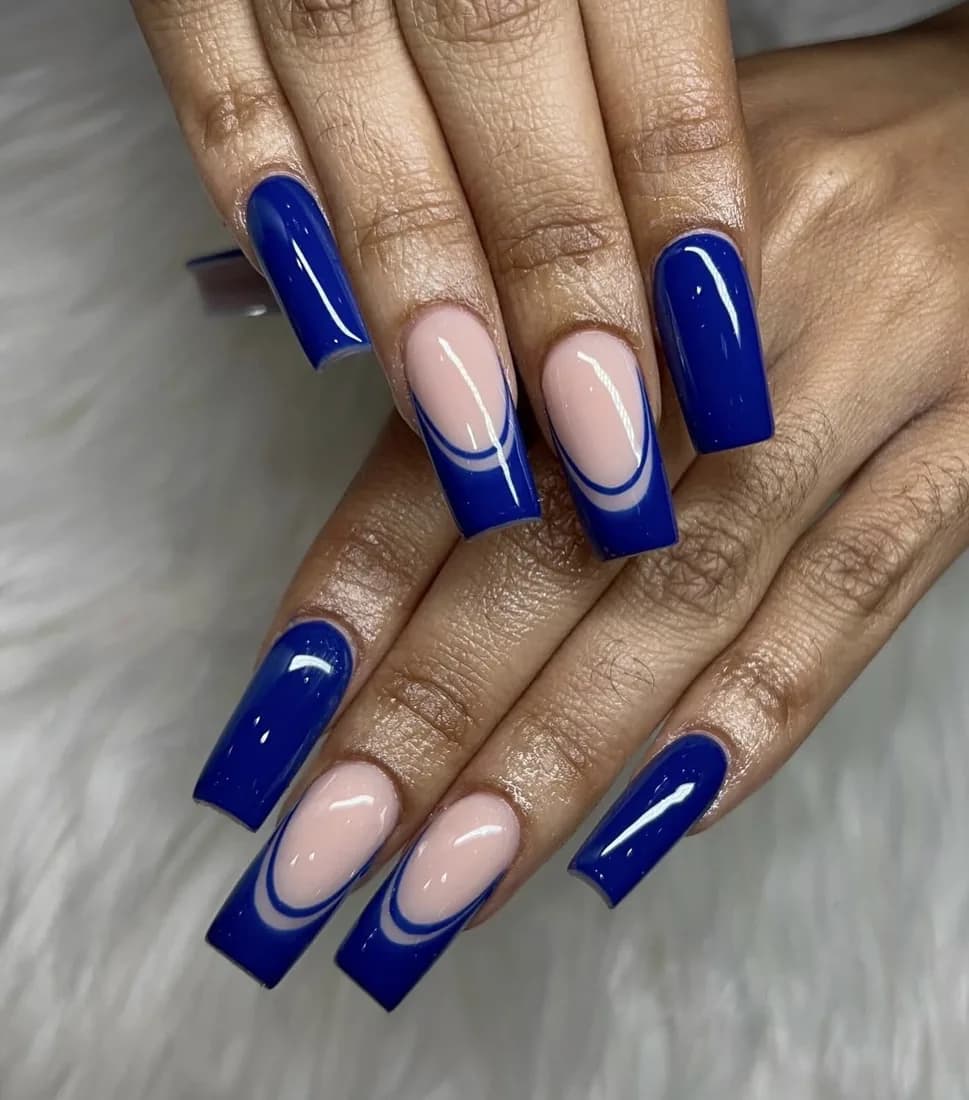
Services explained8 min read
Gel, Dip, Acrylic, Builder Gel or Gel X: An Honest Comparison
What each nail system is made of, whether a lamp is involved, how long it wears, how it comes off and what it costs at Sora in Lakeland.
· The Sora team
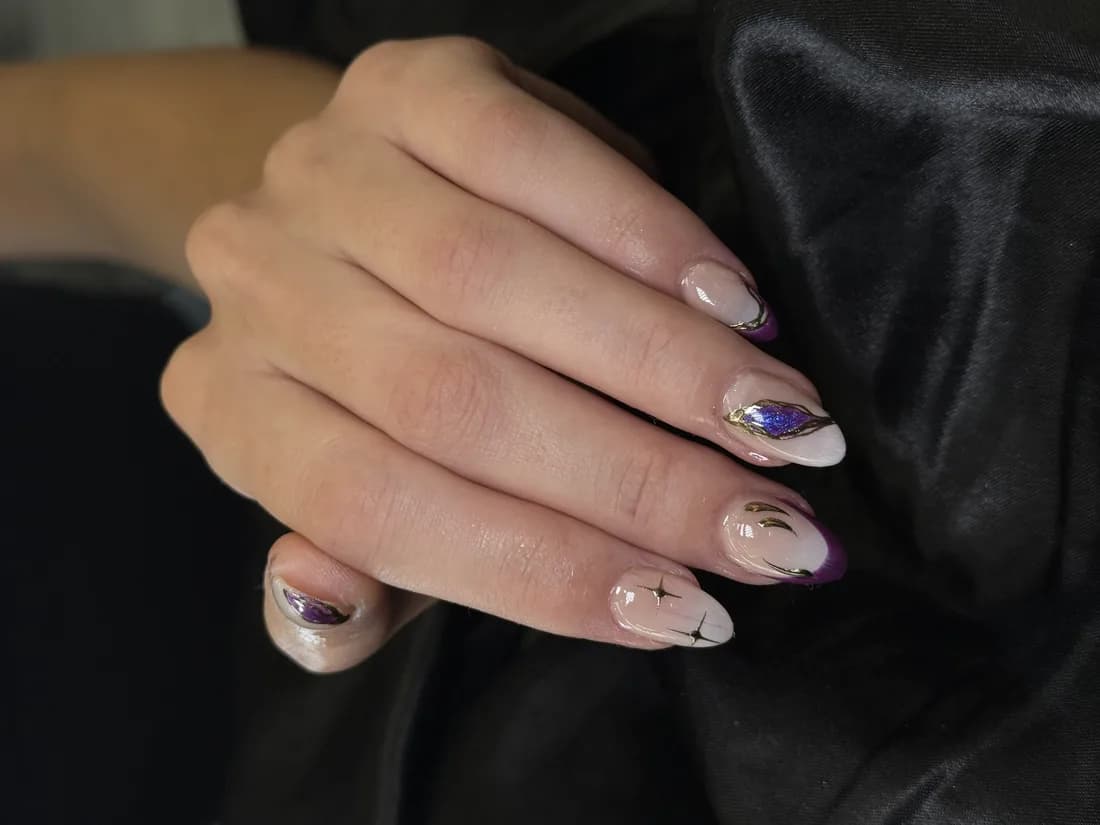
Services explained8 min read
Builder Gel, Gel X and Tap Gel: Which One Are You Asking For?
Three gel systems, one price, different jobs. What builder gel (BIAB), Gel X and Tap Gel each do, who they suit, how they come off and why tips lift.
· The Sora team
Before your visit7 min read
What Questions Should I Ask My Nail Technician?
Questions to ask your nail technician before, during and after a service, and what to tell us unprompted about your health, skin and plans.
· The Sora team